
Short answer
One question decides it in Cyprus: how well will this piece take sea water, sweat and sun cream? Steel, titanium and platinum are the least affected. Sterling silver tarnishes but polishes back. On plated jewellery the thickness of the plating decides everything — thick plating lasts several summers, thin plating shows the base metal within one.
Which metals last here
Humidity, salt and heat work from three directions at once: salt wears plating, sweat oxidises the metal, and warm air helps sun cream bond to the surface. That's why the choice of material makes more difference here than it does elsewhere.
| Material | Sea and sweat | Best for |
|---|---|---|
| 316L steel | Barely affected, does not tarnish | A piece you wear daily and never take off |
| Titanium | Unaffected; very light, hypoallergenic | Sensitive skin, sport, a ring you keep on |
| Sterling silver | Tarnishes, but polishes back | Evening pieces; remove before swimming |
| Gold vermeil | Thick plating lasts several summers | A gold look without everyday wear |
| Flash plating | Opens at the edges within a season | Trying a colour for one summer |
| Brass / copper alloy | Can leave a green mark in sweat | Occasional, short-wear pieces |
If a piece leaves a green or black mark on your skin, the cause is usually not an allergy but sweat reacting with the alloy. Switch to steel or titanium and the mark goes.
How long plating actually lasts
The most useful number on plated jewellery is the one labels rarely print: the thickness of the plating, measured in microns.
- Under 0.5 microns (flash plating) — looks like gold in the window, opens at the edges within months.
- 1–2.5 microns — fine for a necklace you wear now and then; about a season of daily wear.
- 2.5 microns and above (vermeil) — thick gold over a silver base. Two to three years of daily wear.
If the label doesn't say, ask. Where we know the plating thickness of a piece, we tell you in the chat — just ask from the collection page.
The daily routine
Most of what damages jewellery here is solved by habits that take a few seconds.
- Last on, first off. Put jewellery on after cream, perfume and hairspray; take it off first when you get home.
- Off before the sea and the pool. Salt wears plating, chlorine dulls silver and stones. Cold water narrows a finger — that's how rings are usually lost.
- Wipe it in the evening. A soft dry cloth, ten seconds. It's the only thing that stops sweat sitting on metal overnight.
- Store pieces apart. Jewellery that knocks together in one box scratches. Small fabric pouches are enough.
- Keep the box cool in summer. A necklace left in a car glovebox goes dull in one afternoon — the same as a bag would.
What goes with what
In a Cyprus summer the whole look usually turns on one decision: the metal tone. Mixing isn't wrong, but keeping one tone dominant reads tidier.
- Gold tone — with tan, cream, mustard and leather shades; the easiest match in daylight.
- Silver tone — with black, navy, grey and denim; cooler for evening.
- Stone-set pieces — one focal point on a plain dress. If the necklace carries stones, keep the earrings quiet.
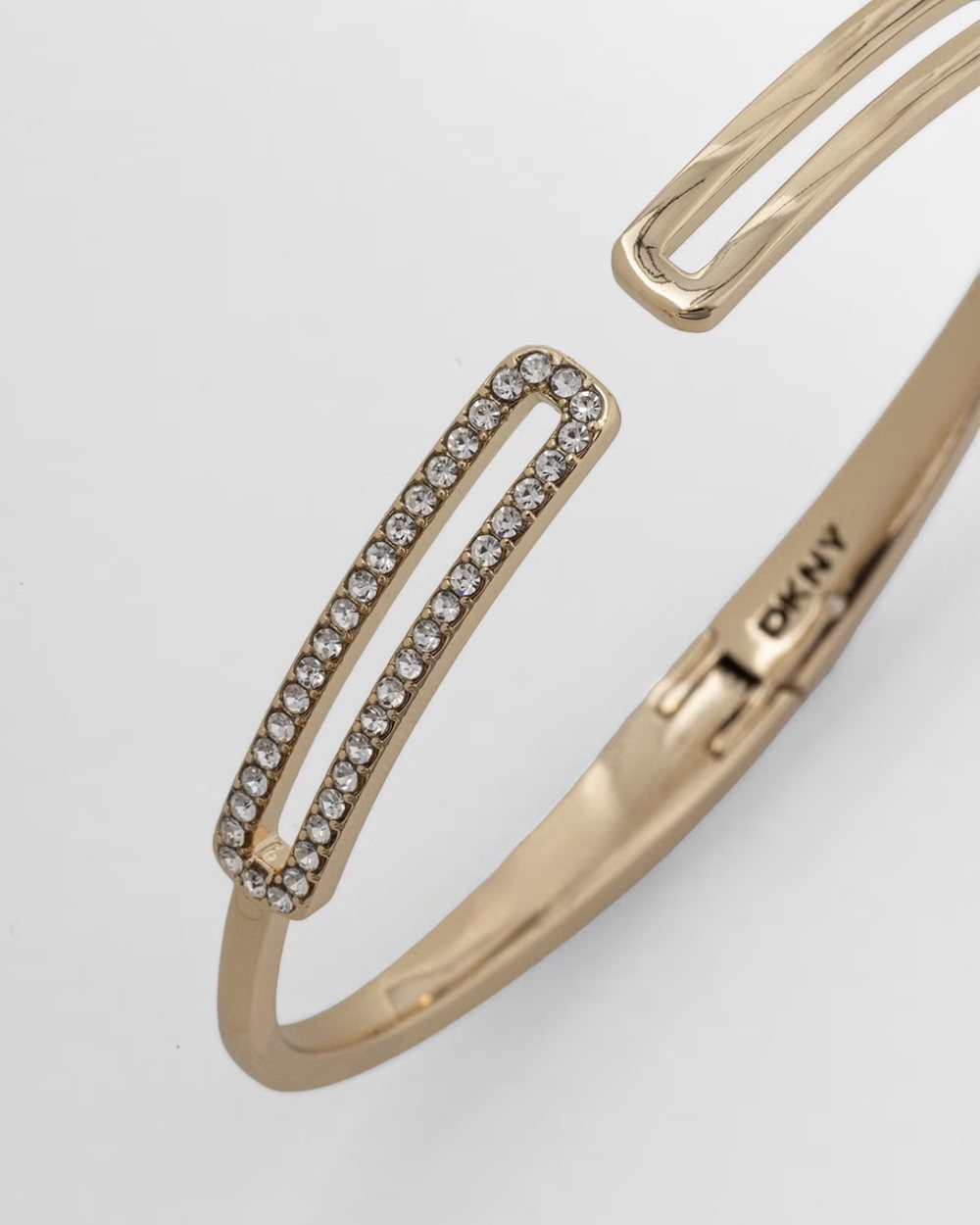
Pulling the hardware on your bag and shoes into the same family is enough: a fine gold-tone bracelet next to a gold-locked bag from the collection ties the whole look together with one decision. For the clothing side of the same idea, see the capsule wardrobe piece.
Care: three steps, once a month
Jewellery care is simpler than bag care; it just has to be regular.
- Warm water, one drop of soap. Brush gently under the stones with a soft toothbrush. On plated pieces, keep the brush off the edges.
- Dry it straight away. With a dry cloth, before water marks form. Left to air-dry, stone settings pick up limescale.
- A polishing cloth for silver. Tarnished silver comes back with a cloth. Toothpaste and ultrasonic cleaners have no place on plated jewellery — they thin the plating and take a year off its life in one go.
The same monthly rhythm works for leather and suede; we set that out in bag care in sun, salt and sea air.